
Lighting Objective
DMX Application
Stage
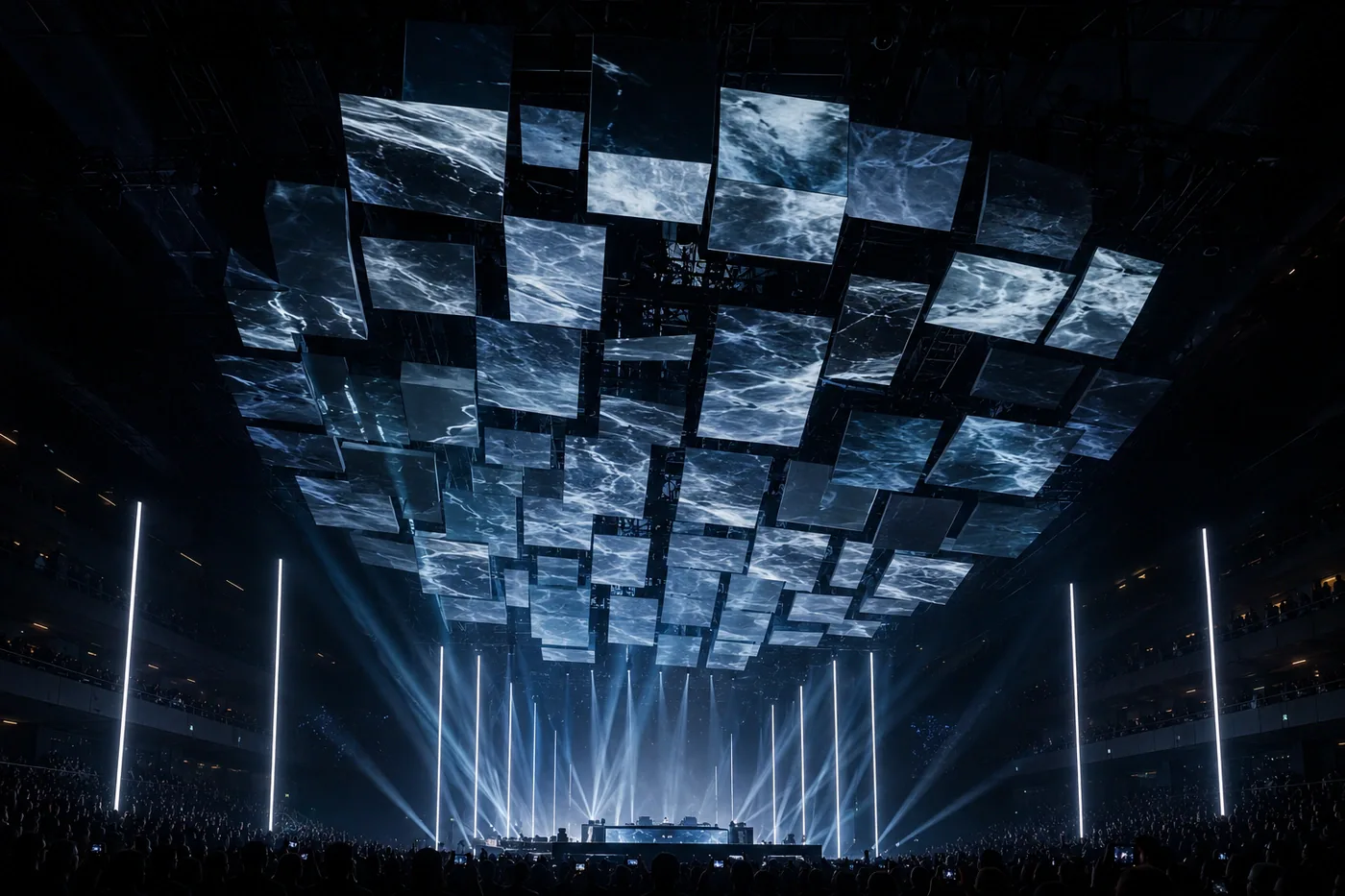
Stage lighting combines fixtures, LED elements and effects into fast-changing looks. DMX keeps the operator's cues connected to the correct output branches as the layout evolves.
- Lighting Objective
- Coordinate changing looks across fixtures, LED elements and effects.
- DMX Signal Role
- Keep operator cues connected to the output branches serving the current rig.
- Planning Focus
- Update address maps and verify signal lines when the fixture layout changes.
DMX Application Guide
How DMX is used in Stage
Stage applications use DMX to coordinate dynamic looks across fixtures, LED elements and effects. The control path keeps the operator's cues connected to the correct output branches as the stage layout changes.
Application Examples

Fixture Placement
A planned rig gives each fixture group a clear role in the overall stage look.

Depth and Movement
Focused beams and effects add dimension while remaining connected to the same control path.

Rigging and Beam Control
A coordinated lighting rig helps operators direct beams and effects where they are needed.
Application Overview
Signal Routing
Flexible routing
Lighting Outputs
DMX fixtures
Typical Signal Path
Keep changing stage looks connected
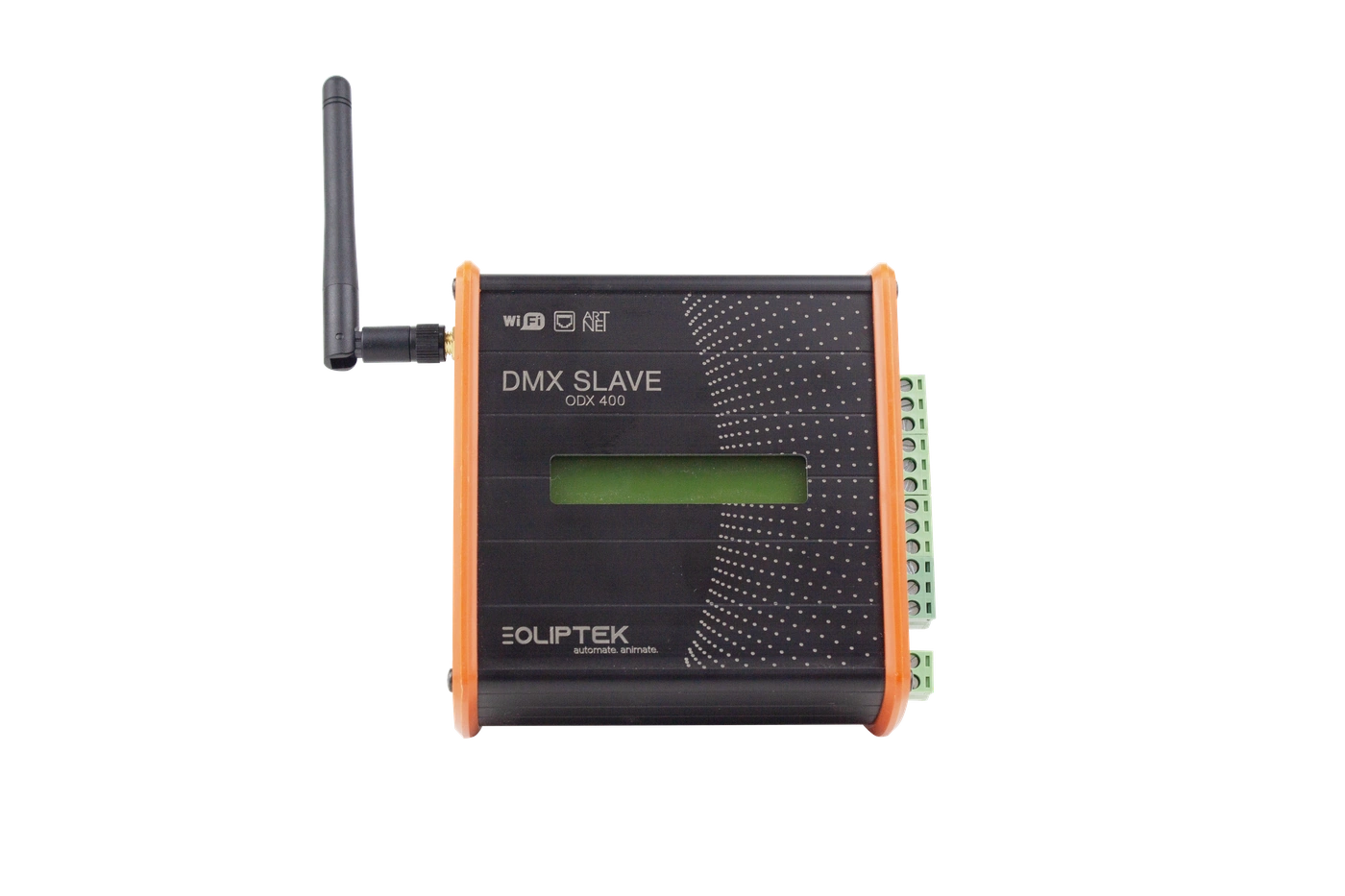
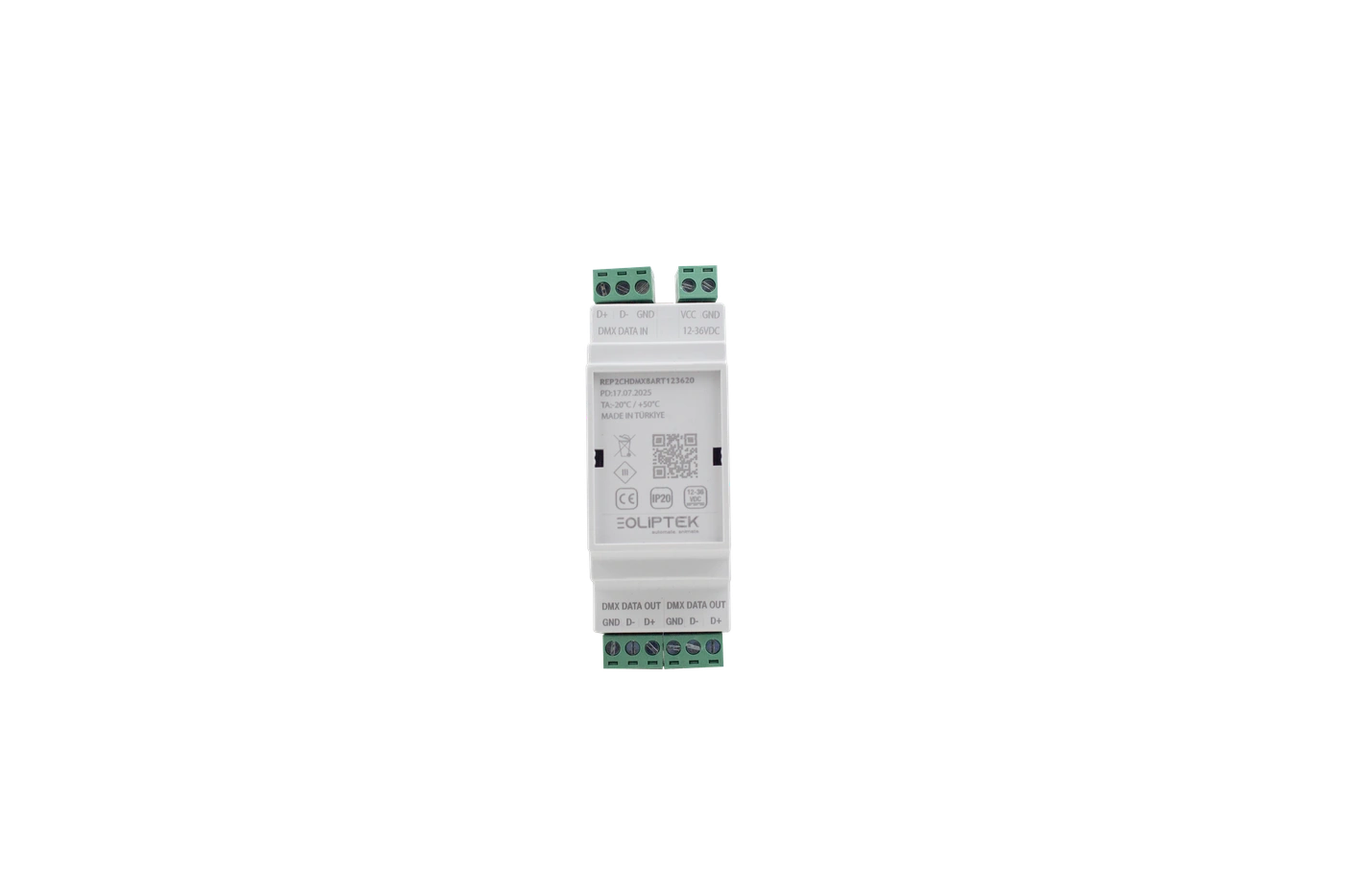
Use a flexible signal route that can adapt as fixture groups, LED elements, and effect units move within the rig. See how DMX signal distribution supports practical branches.

DMX Planning Notes
Support flexible rig changes
Flexible routing
Allow for practical branch changes as fixture positions, LED elements, and effect units move between setups.
Address maps
Update the address map whenever the rig changes so the operator can identify each fixture quickly.
Line verification
Run a signal check after layout changes before programming or playback begins.
Stage System Priorities
Dynamic looks
Flexible layouts
Clear signal routing
OLIDMX Knowledge Notes
Stage Lighting FAQ
Questions about flexible stage lighting control and signal routing.
What does DMX control on a stage?
DMX coordinates compatible fixtures, LED elements and effects so an operator can build changing stage looks.
How can a stage layout remain flexible?
A clear control path and practical signal branches make it easier to adjust fixture groups as a stage layout evolves. See how DMX signal distribution supports practical branches.
Why should output branches be planned?
Planned branches help connect the operator cues to the correct fixture groups without making the signal path difficult to follow.