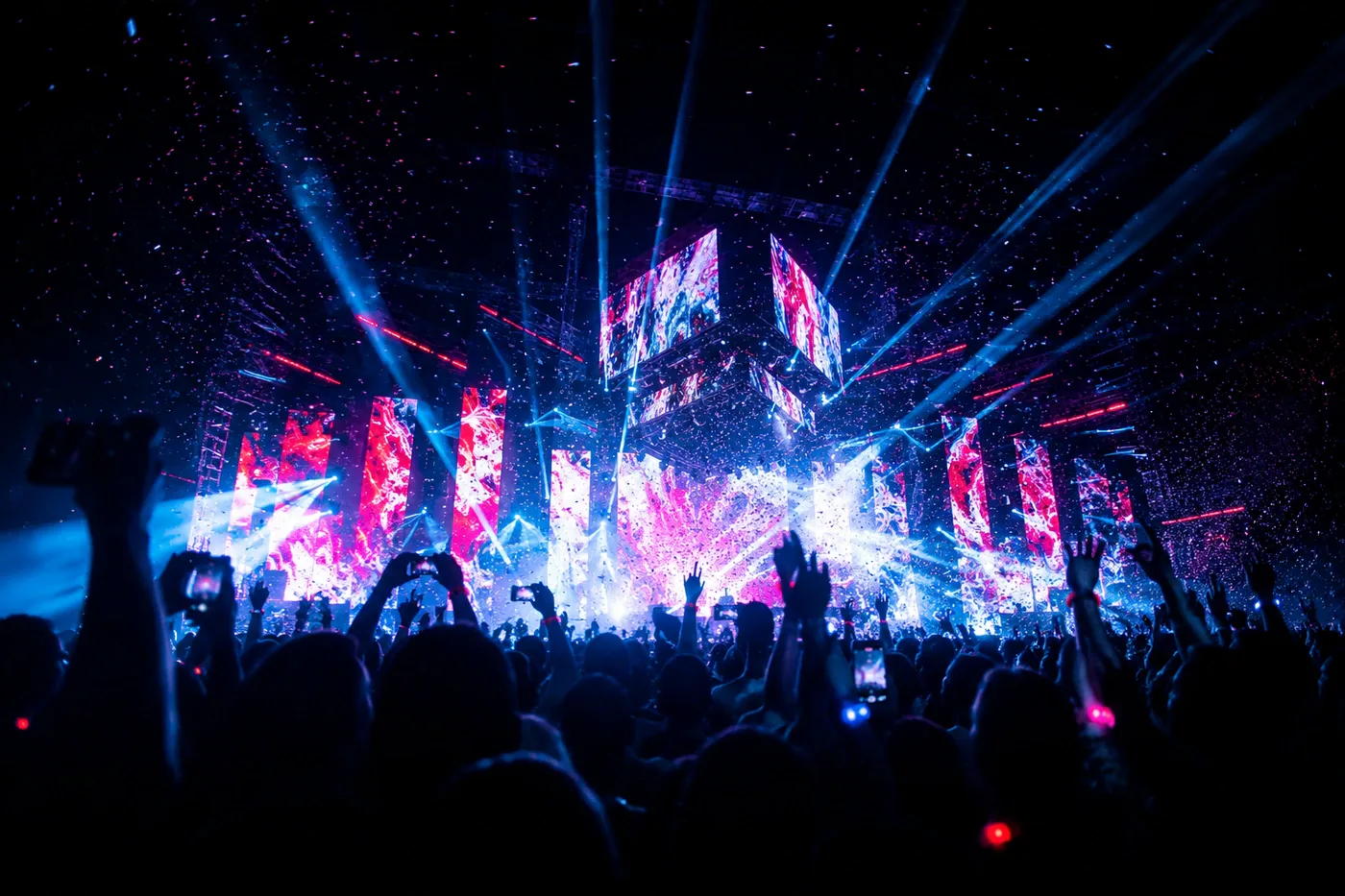
DMX Application
Concert
DMX keeps show cues organized from the operator position to stage-side fixture groups, making large performance layouts easier to prepare, test and adjust.
View DMX Guide
Use Cases
DMX Application
DMX keeps show cues organized from the operator position to stage-side fixture groups, making large performance layouts easier to prepare, test and adjust.
View DMX Guide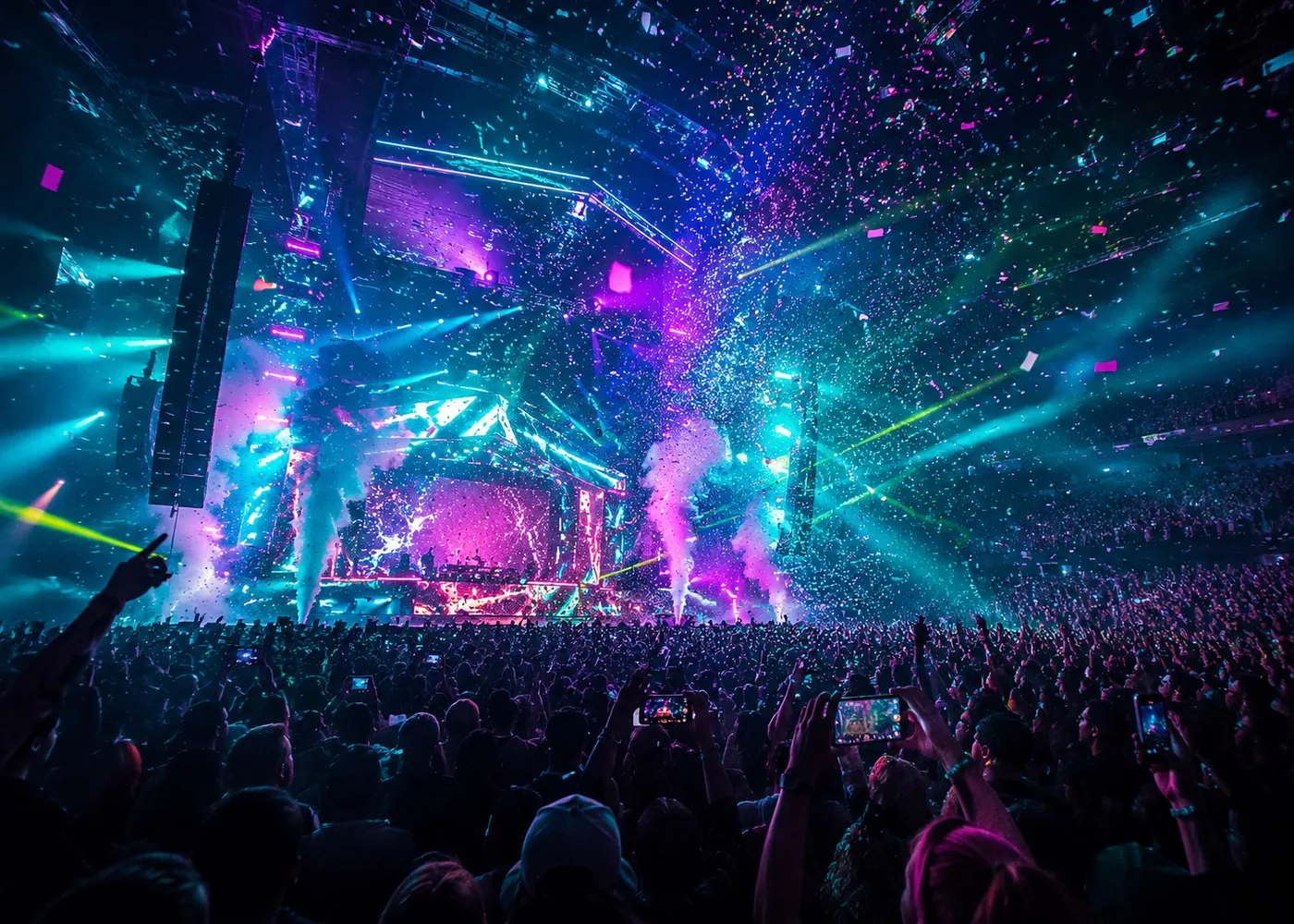
DMX Application
DMX supports repeatable cue playback and controlled fades by keeping fixture groups, scene timing and the rehearsed address plan aligned.
View DMX Guide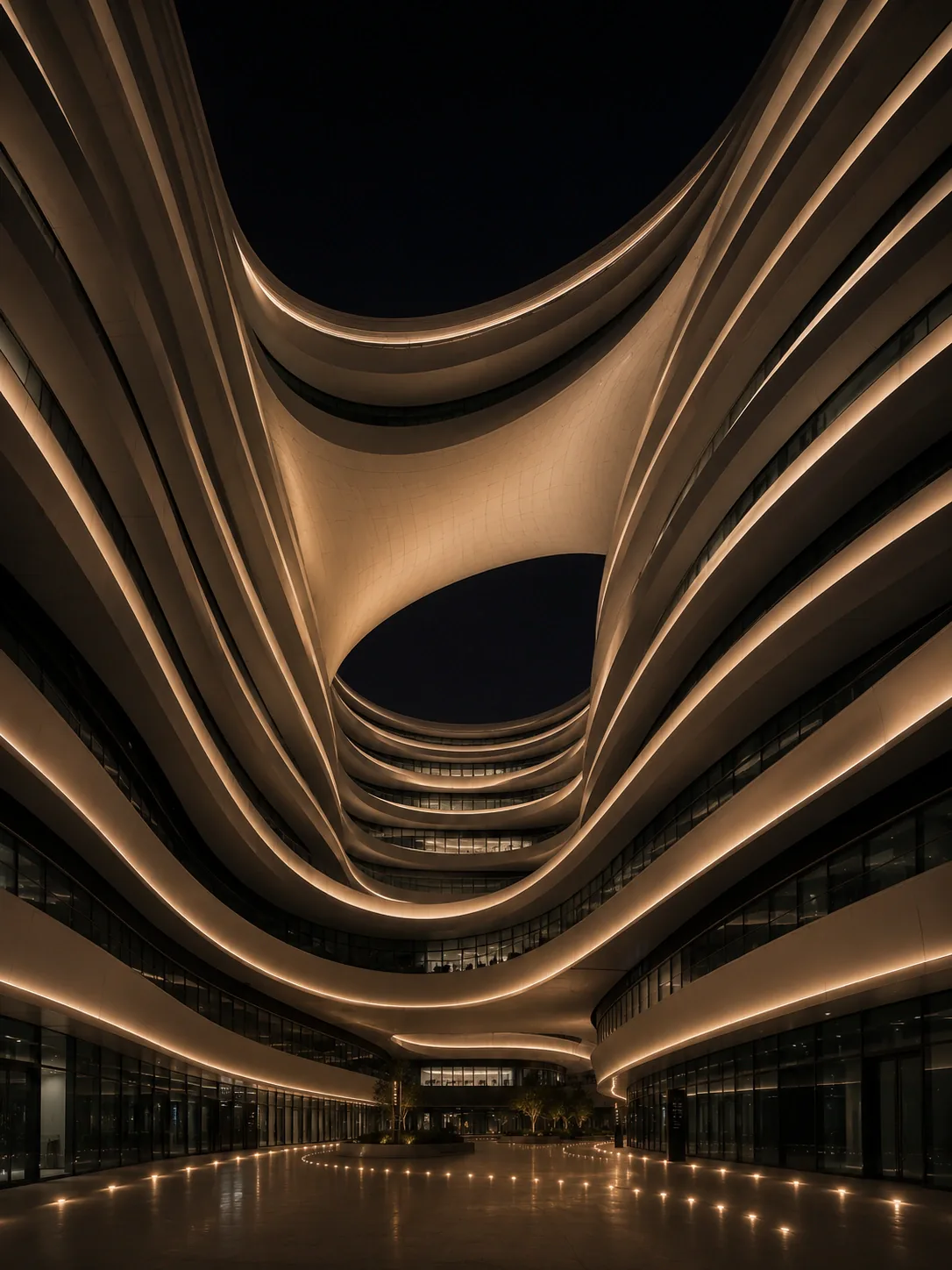
DMX Application
DMX organizes facade and interior lighting zones into coordinated scenes while keeping signal paths understandable for commissioning and long-term service.
View DMX Guide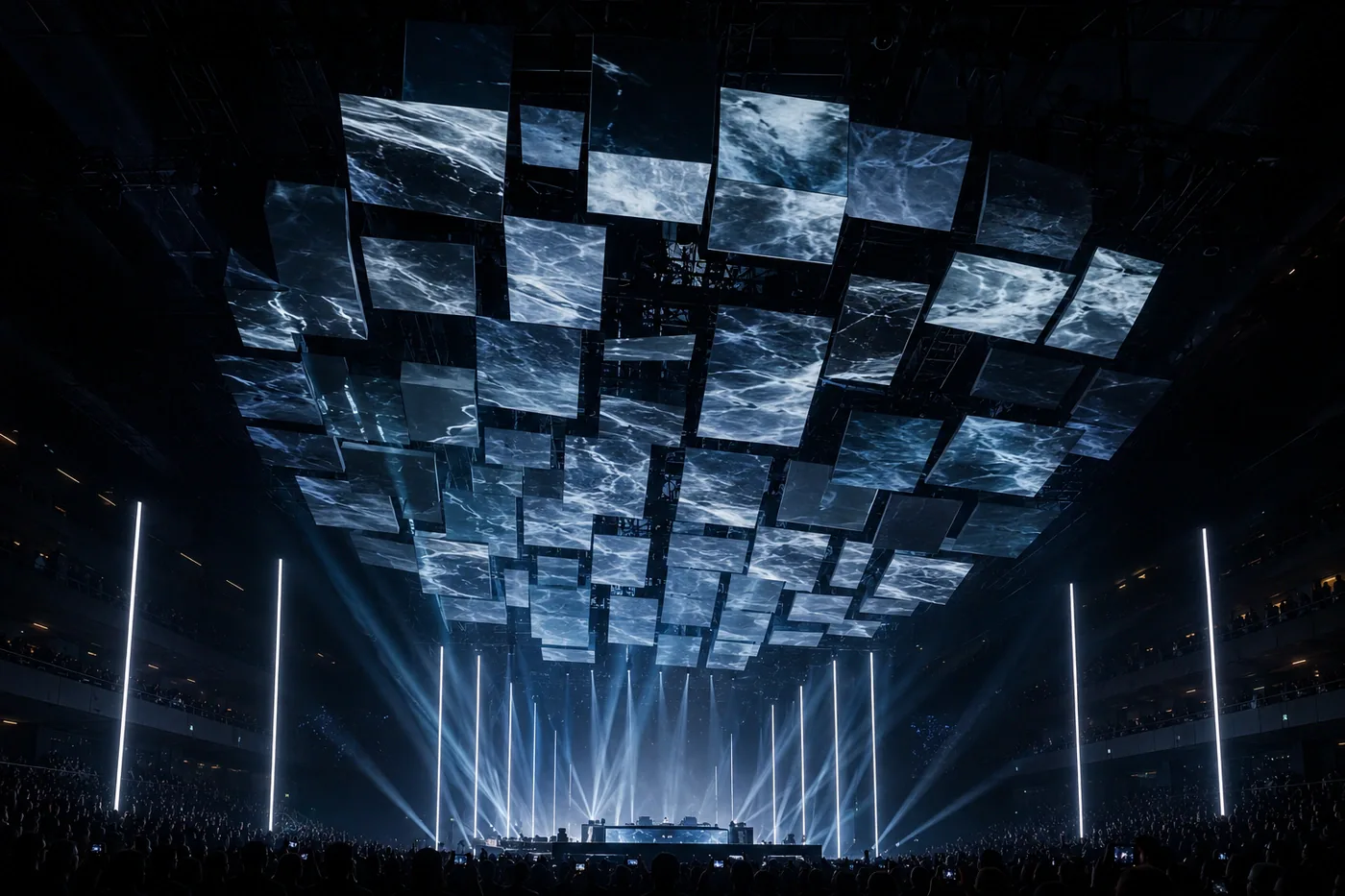
DMX Application
DMX connects dynamic fixture groups, LED elements and effects to a practical control path as the rig and visual look evolve.
View DMX Guide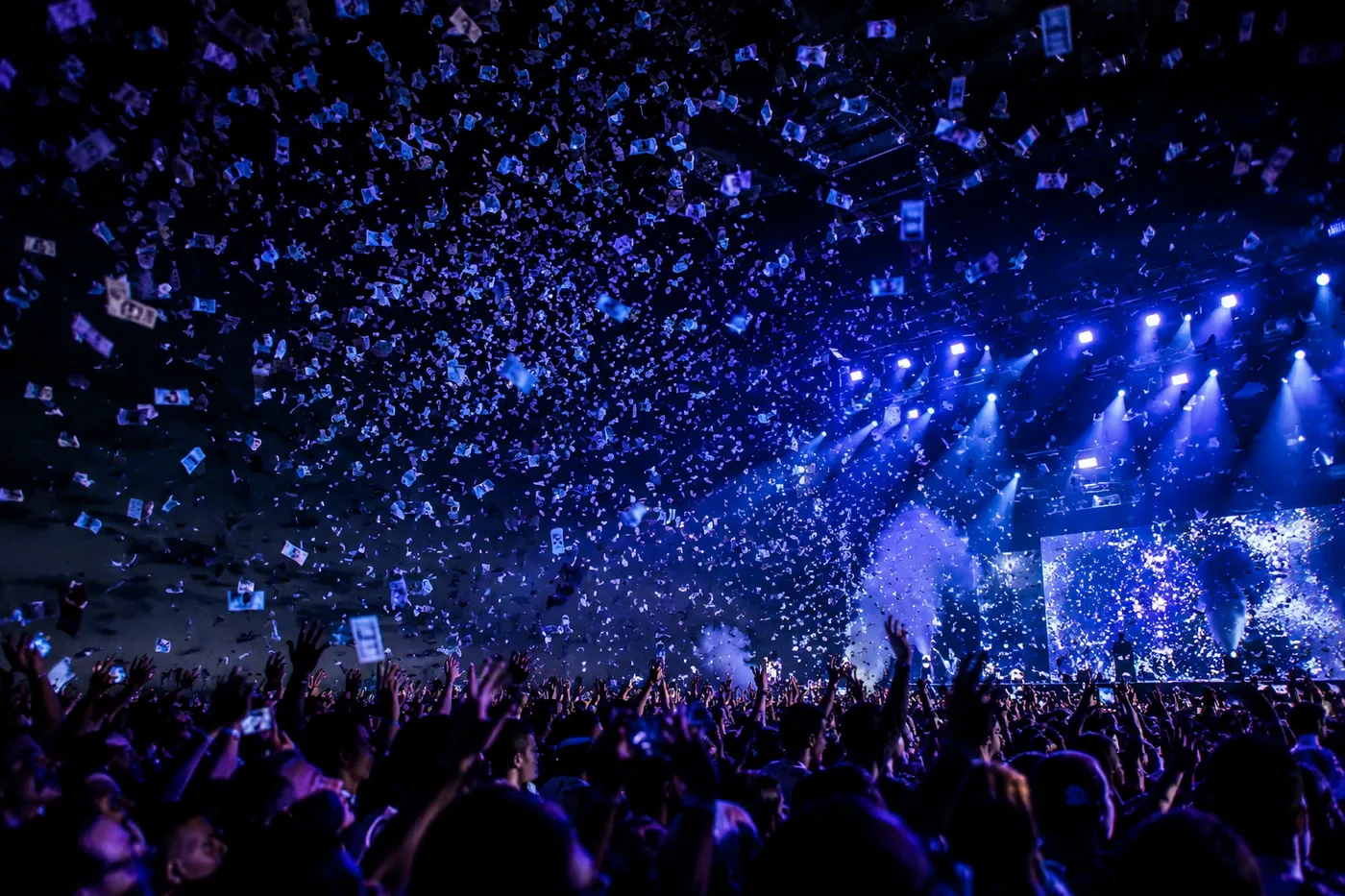
DMX Application
DMX provides a clear, adaptable signal path for temporary fixture groups when deployment speed, practical labeling and pre-show checks matter.
View DMX Guide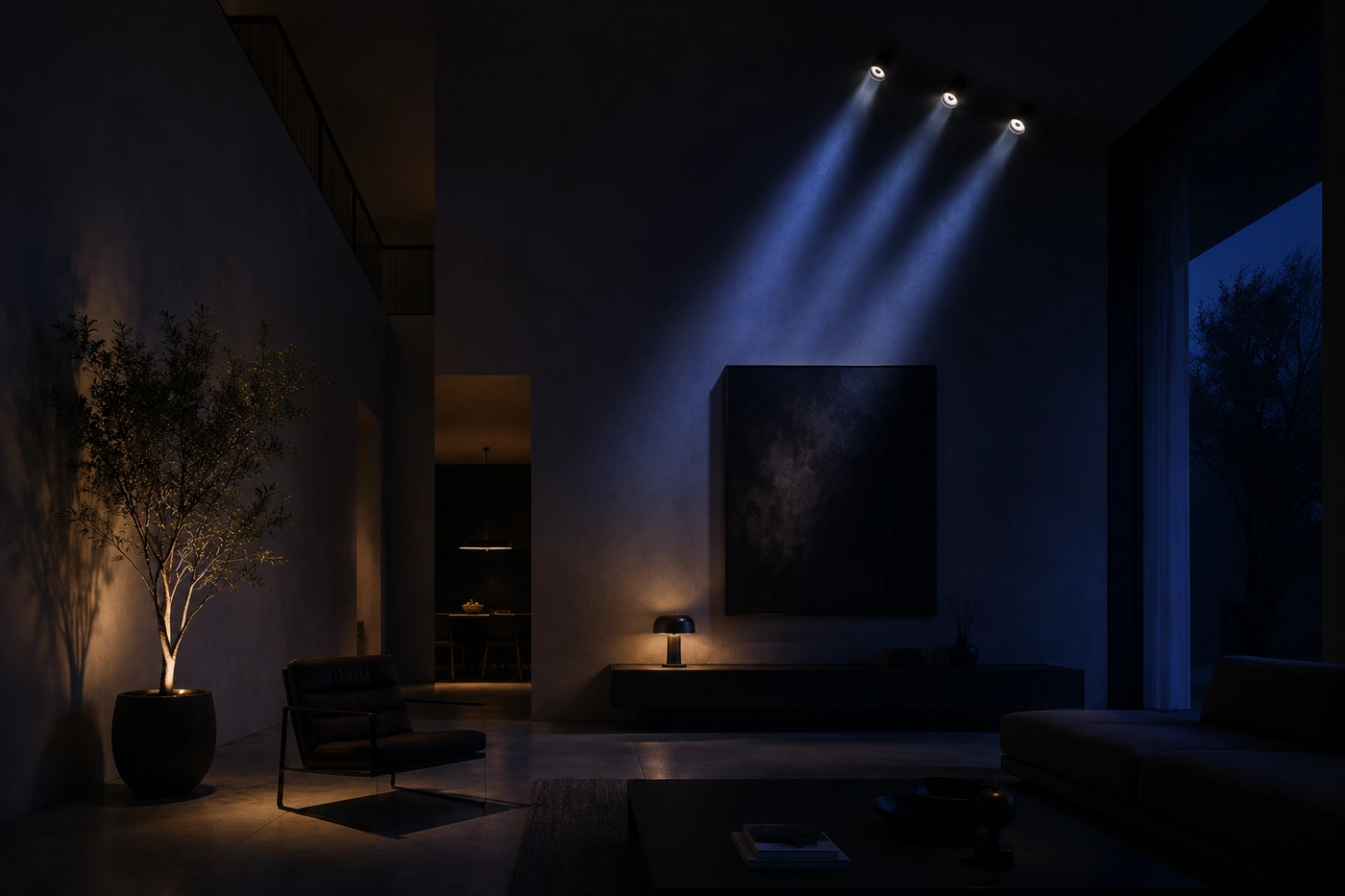
DMX Application
DMX gives fixed lighting infrastructure a documented control layer that supports commissioning, maintenance and repeatable day-to-day operation.
View DMX GuideOLIDMX Knowledge Notes
Understand how DMX system roles change across different lighting environments.
Each use case explains a practical lighting context and the control path that can connect an operator, signal branches and compatible lighting outputs. Read the guide to DMX system planning.
The required routing depends on the fixture layout, the number of branches and how the lighting system is installed or deployed.
The DMX Series pages describe the available control, repeater, decoder and RF PWM dimmer devices.